Archives
- 2026-03
- 2026-02
- 2026-01
- 2025-12
- 2025-11
- 2025-10
- 2025-09
- 2025-03
- 2025-02
- 2025-01
- 2024-12
- 2024-11
- 2024-10
- 2024-09
- 2024-08
- 2024-07
- 2024-06
- 2024-05
- 2024-04
- 2024-03
- 2024-02
- 2024-01
- 2023-12
- 2023-11
- 2023-10
- 2023-09
- 2023-08
- 2023-07
- 2023-06
- 2023-05
- 2023-04
- 2023-03
- 2023-02
- 2023-01
- 2022-12
- 2022-11
- 2022-10
- 2022-09
- 2022-08
- 2022-07
- 2022-06
- 2022-05
- 2022-04
- 2022-03
- 2022-02
- 2022-01
- 2021-12
- 2021-11
- 2021-10
- 2021-09
- 2021-08
- 2021-07
- 2021-06
- 2021-05
- 2021-04
- 2021-03
- 2021-02
- 2021-01
- 2020-12
- 2020-11
- 2020-10
- 2020-09
- 2020-08
- 2020-07
- 2020-06
- 2020-05
- 2020-04
- 2020-03
- 2020-02
- 2020-01
- 2019-12
- 2019-11
- 2019-10
- 2019-09
- 2019-08
- 2019-07
- 2018-07
-
As the close paralog of adiponectin we
2024-08-07
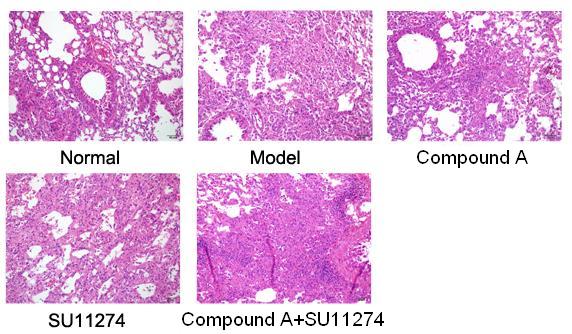
As the close paralog of adiponectin, we hypothesized that CTRP9 could participate in regulation of reproduction. In order to evaluate whether Ctrp9 plays a role in the control of reproduction in tilapia, i.p. injection experiment was performed. HPG (Hypothalamic/pituitary/gonadal) axis plays a key r
-
br Expression of adiponectin mRNA in chickens We first
2024-08-07
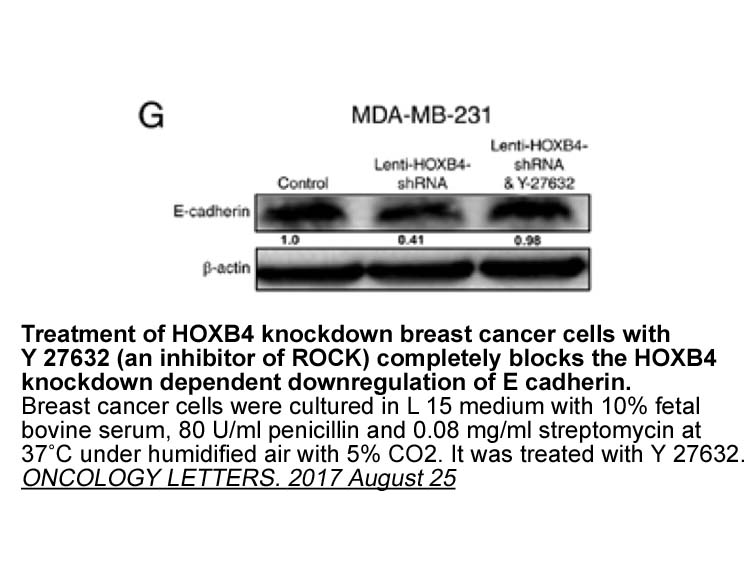
Expression of adiponectin mRNA in chickens We first sought to determine the nucleotide sequence of the chicken adiponectin cDNA. The open reading frame of the chicken adiponectin cDNA consists of 735 nucleotides that was 65–68% homologous to various mammalian adiponectin cDNAs (Maddineni et al.,
-
HT receptors are distributed throughout the brain within the
2024-08-07
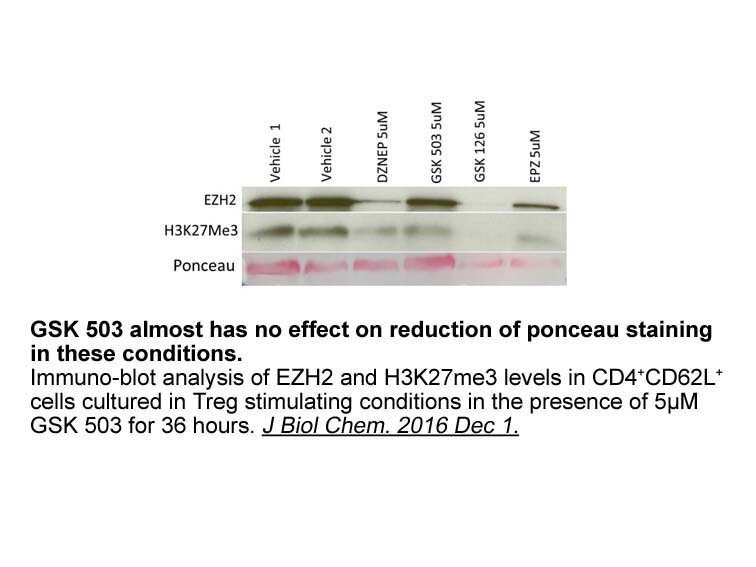
5-HT3 receptors are distributed throughout the brain, within the brainstem (e.g., nucleus tractus solitarius, area postrema and spinal trigeminal nucleus) and PD128907 HCl (e.g., hippocampus, amygdala, nucleus accumbens, putamen and caudate) (Abi-Dargham et al., 1993, Barnes et al., 1989, Bufton et
-
br Acknowledgements br Introduction Autoantibodies directed
2024-08-07
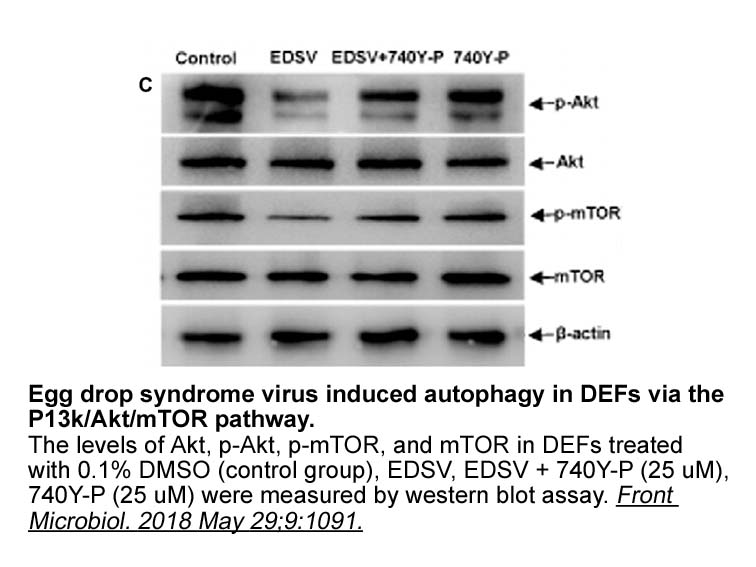
Acknowledgements Introduction Autoantibodies directed at neurotransmitter receptors and ion channels are pathogenic and/or biomarkers in several autoimmune neurological diseases [1]. For example, autoantibodies directed against voltage-gated potassium channels, the P/Q-type (α1A) voltage-gated
-
br Thymic expression of AChR Both linear unfolded epitopes o
2024-08-07
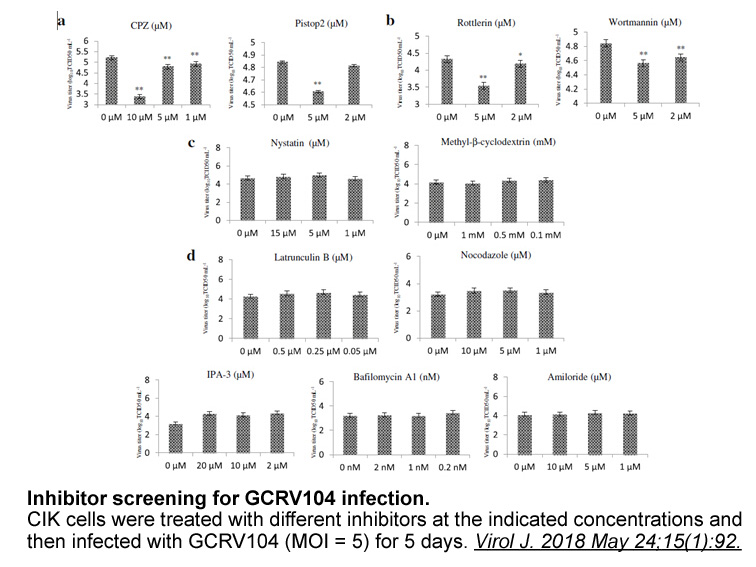
Thymic expression of AChR Both linear unfolded epitopes of AChR subunits and the intact AChR are avidly expressed in thymus, particularly by thymic epithelial cells and myoid cells [17], [18], [19]. AChR-antibody positive MG patients often show thymic hyperplasia, characterized by lymphoid follic
-
br LOX in pancreatic cancer LOX is a
2024-08-07
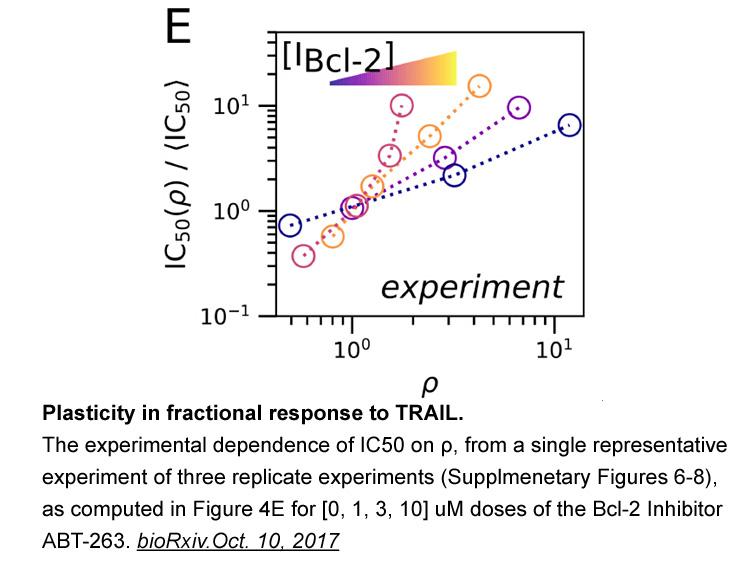
5-LOX in pancreatic cancer 5-LOX is a key player in pancreatic cancer (PC) progression. The upregulation of 5-LOX mRNA has been observed in pancreatic adenocarcinoma (PDAC) and also in neoplastic pancreatic tissues (Kennedy et al., 2003). Higher levels of 5-LOX transcripts (messengers) are presen
-
The LOX hydroxide metabolites are converted to secondary lip
2024-08-07
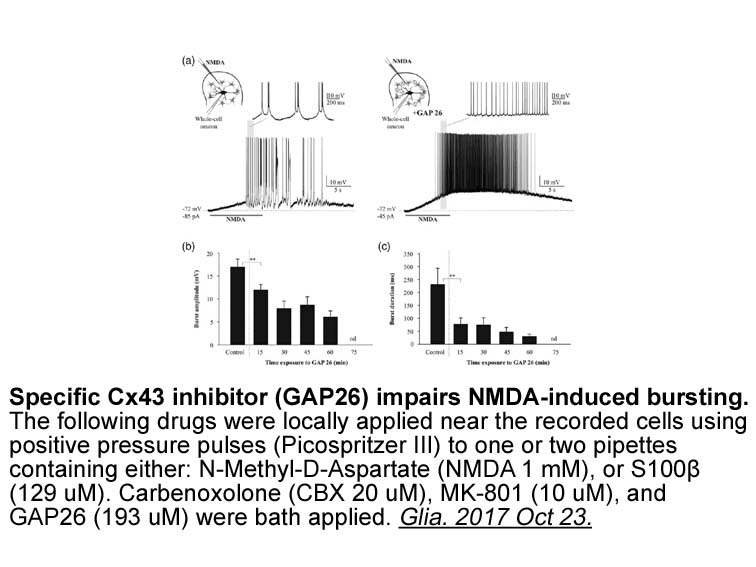
The 15-LOX hydroxide metabolites are converted to secondary lipid mediators such as lipoxin A4 from 15-HETE and protectin D1/resolvin D1 from 17-HDoHE [45] (Fig. S3). Importantly, all of these secondary lipid mediators have anti-inflammatory and pro-resolving properties [46], [47], [48]. Lipoxin A4
-
br The role of LOX plays in autophagy
2024-08-07
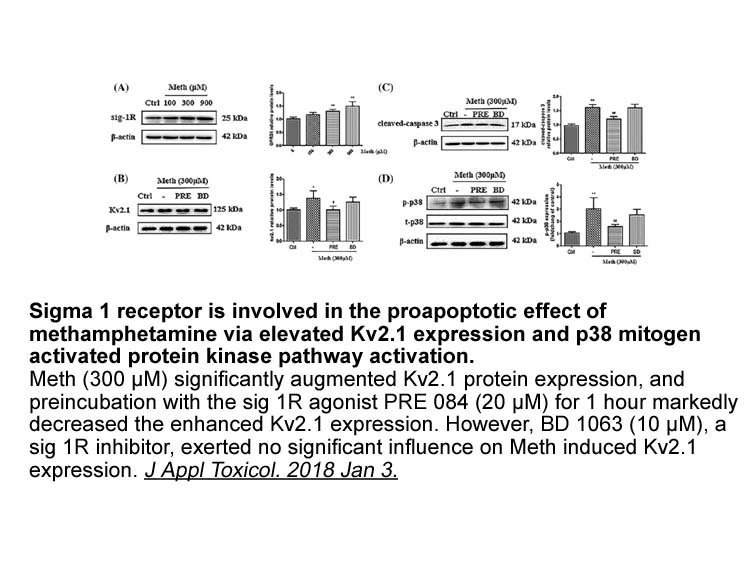
The role of 12/15-LOX plays in autophagy Autophagy is a process by which cellular material is delivered to lysosomal to degrade the damaged organelles and proteins to facilitate nutrient recycling (Towers and Thorburn, 2016). There has been characterized three types of autophagy-macroautophagy, m
-
Among steroid saponins ginsenosides are the
2024-08-06
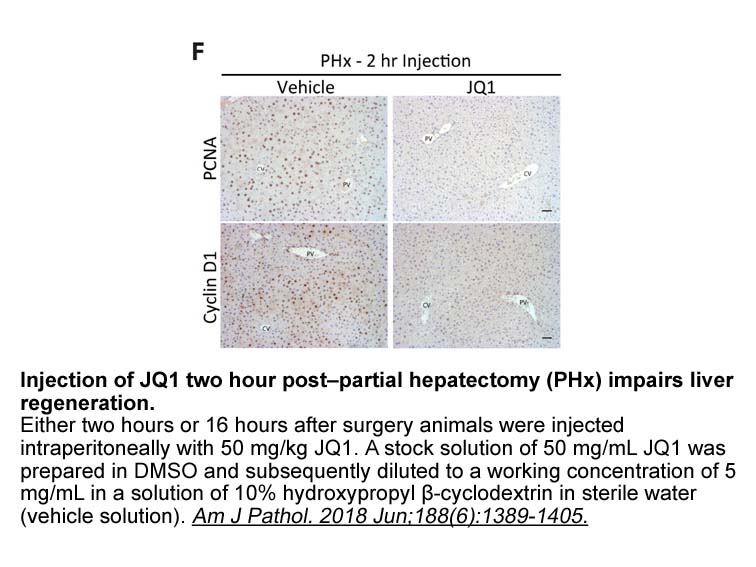
Among steroid saponins, ginsenosides are the active components of ginseng, a well-known chinese medicinal plant. More than hundreds of different ginsenosides have been isolated from ginseng and have shown in the past to be membrane active substances and to influence the membrane by modulating lipid
-
Additional support for a role of HMGN in enhancing DNA
2024-08-06
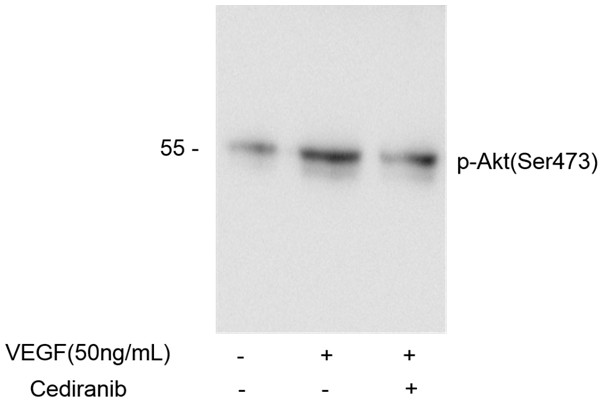
Additional support for a role of HMGN1 in enhancing DNA repair comes from studies of transcription-coupled repair (TCR) in human cells. Lesions in the template strand of DNA induced by UV light stall the movement of RNA polymerase II (RNAPII) and interrupt transcription. Removal of these transcripti
-
br Combination Effective RAS inhibition which is important f
2024-08-06
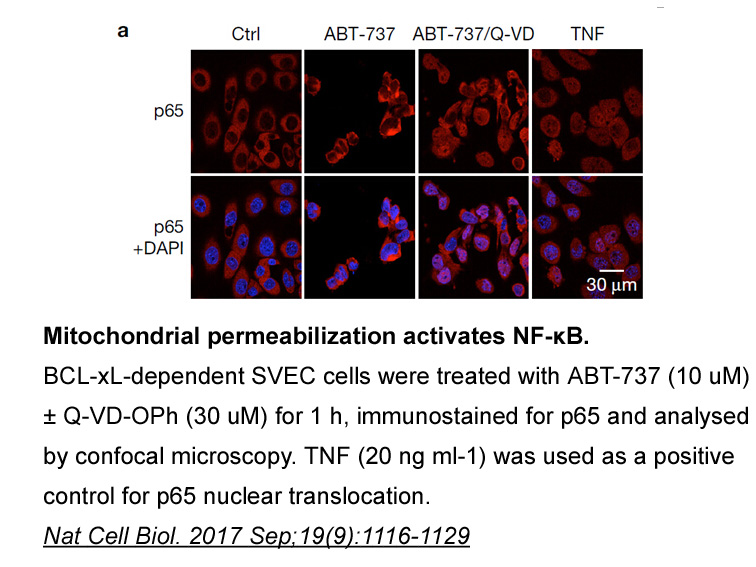
Combination Effective RAS inhibition, which is important for Phosphoramidon Disodium Salt receptor control as well for the management of associated illnesses, can be produced through proper selection and dose maintenance and also by the combination with other antihypertensive agents along with c
-
br Alzheimer s disease AD is an irreversible
2024-08-06
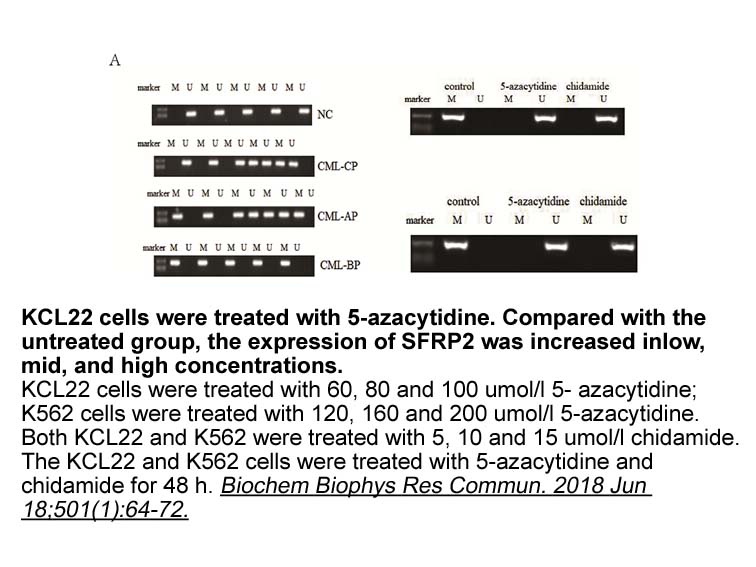
Alzheimer’s disease (AD) is an irreversible, age-associated neurodegenerative disorder that is characterized by progressive memory loss and cognitive decline. AD is also the leading cause of dementia, accounting for 5 million cases in the United States and 44 million cases worldwide. In 2015, AD c
-
However a high triglyceride level was associated with dement
2024-08-06
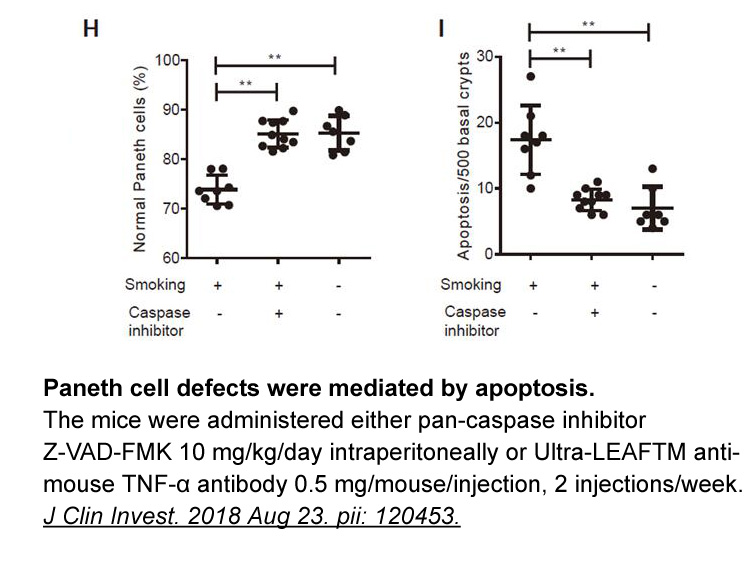
However, a high triglyceride level was associated with dementia in a study with subjects aged ≥65 years (Raffaitin et al., 2009). In another study, the serum triglyceride levels of three different transgenic mouse strains mimicking AD were also evaluated within the progression of the pathology. In o
-
br Discussion Missense mutations transversions of the first
2024-08-06
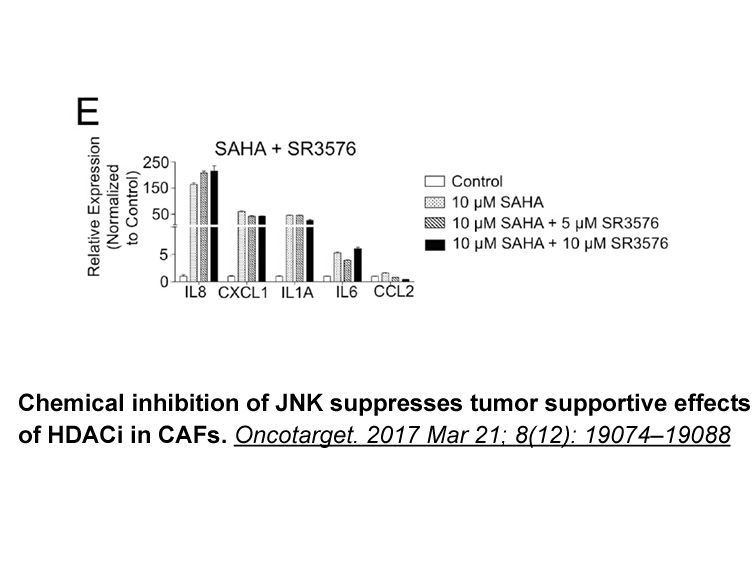
Discussion Missense mutations (transversions) of the first nucleotide of the phenylalanine csf1r at position 1174 (F1174) of the anaplastic lymphoma kinase gene can result in substitutions to leucine or valine (F1174L/V) while missense mutation (transversion) of the second nucleotide of the phen
-
HT receptors are distributed throughout
2024-08-06
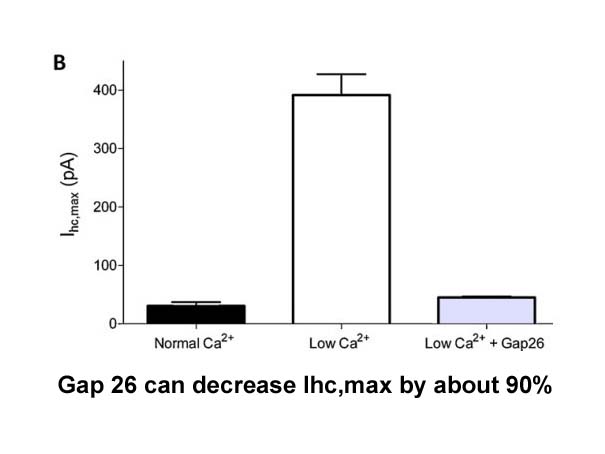
5-HT3 receptors are distributed throughout the brain, within the brainstem (e.g., nucleus tractus solitarius, area postrema and spinal trigeminal nucleus) and meclozine mg (e.g., hippocampus, amygdala, nucleus accumbens, putamen and caudate) (Abi-Dargham et al., 1993, Barnes et al., 1989, Bufton et
15123 records 116/1009 page Previous Next First page 上5页 116117118119120 下5页 Last page