Archives
- 2026-07
- 2026-06
- 2026-05
- 2026-04
- 2026-03
- 2026-02
- 2026-01
- 2025-12
- 2025-11
- 2025-10
- 2025-09
- 2025-03
- 2025-02
- 2025-01
- 2024-12
- 2024-11
- 2024-10
- 2024-09
- 2024-08
- 2024-07
- 2024-06
- 2024-05
- 2024-04
- 2024-03
- 2024-02
- 2024-01
- 2023-12
- 2023-11
- 2023-10
- 2023-09
- 2023-08
- 2023-07
- 2023-06
- 2023-05
- 2023-04
- 2023-03
- 2023-02
- 2023-01
- 2022-12
- 2022-11
- 2022-10
- 2022-09
- 2022-08
- 2022-07
- 2022-06
- 2022-05
- 2022-04
- 2022-03
- 2022-02
- 2022-01
- 2021-12
- 2021-11
- 2021-10
- 2021-09
- 2021-08
- 2021-07
- 2021-06
- 2021-05
- 2021-04
- 2021-03
- 2021-02
- 2021-01
- 2020-12
- 2020-11
- 2020-10
- 2020-09
- 2020-08
- 2020-07
- 2020-06
- 2020-05
- 2020-04
- 2020-03
- 2020-02
- 2020-01
- 2019-12
- 2019-11
- 2019-10
- 2019-09
- 2019-08
- 2019-07
- 2018-07
-
Although differences in several nociceptive tests have
2019-09-06
Although, differences in several nociceptive tests have previously been described across strains (Mogil et al., 1999), it is the first time that pain sensitivity in response to chemical and thermal stimuli has been evaluated in B6,129CRHtklee mice. Our results showed no differences in pain sensitivi
-
SB 203580 Finally the effect of the
2019-09-06
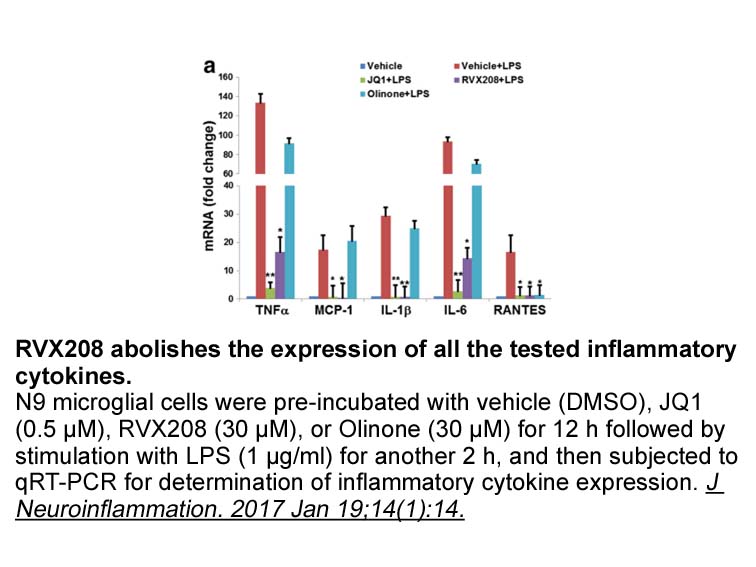
Finally, the effect of the [BMIM][BF4] concentration change on the P-T diagram of methane hydrate was predicted using the proposed model. Three various concentrations (including 10%, 15% and 20%) were considered for calculations. The experimental data [49] and modeling results are demonstrated and c
-
To compare glucose metabolism via oxidative phosphorylation
2019-09-05
To compare glucose metabolism via oxidative phosphorylation to that via glycolysis, a bioenergetics plot was constructed (Fig. 3A). In most cells, a decrease in one bioenergetics pathway is compensated by an increase in the other. However, following NAT1 deletion, there was a decrease in both oxidat
-
Acidic substituents showed moderate biochemical activity but
2019-09-05
Acidic substituents () showed moderate biochemical activity, but these compounds showed reduced cellular potency. Additional compounds bearing a carboxylic 14520 milliliters to liters were also prepared and tested (data not shown). All of acidic compounds showed low cellular potency regardless of t
-
Conventional configurations for alkanolamine and acid gas
2019-09-05
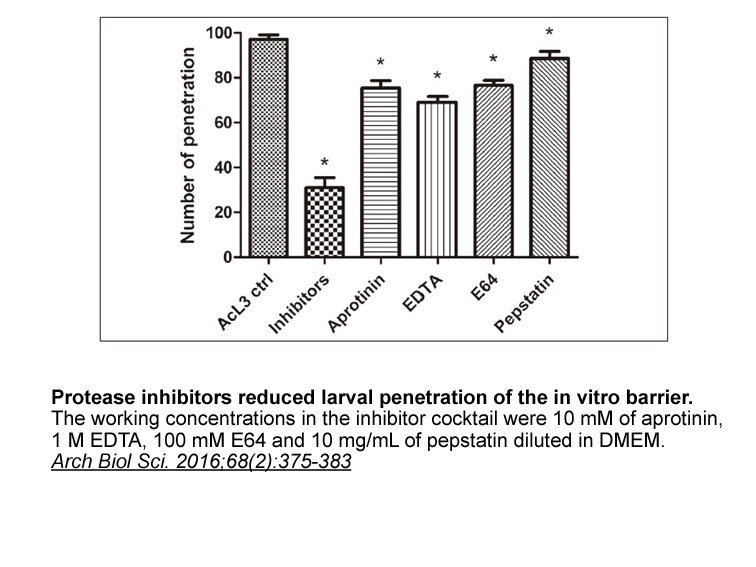
Conventional configurations for alkanolamine and protoporphyrin ix pathway gas are not suitable to represent the chemical reaction between acid gas and alkanolamines. Nevertheless, Dowell et al. [17] have successfully represented the phase behaviour of CO2-water-MEA systems by using SAFT-VR [18] wi
-
Each of these substrate receptors belongs to a multigene
2019-09-05
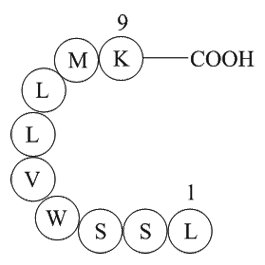
Each of these substrate receptors belongs to a multigene family with tens, if not hundreds of members in plants, and with in part overlapping and in part differential substrate specificities [4]. The complexity of the system is nicely illustrated by the F-box protein and auxin receptor TRANSPORT INH
-
The synthesis of compounds a and b are outlined
2019-09-05
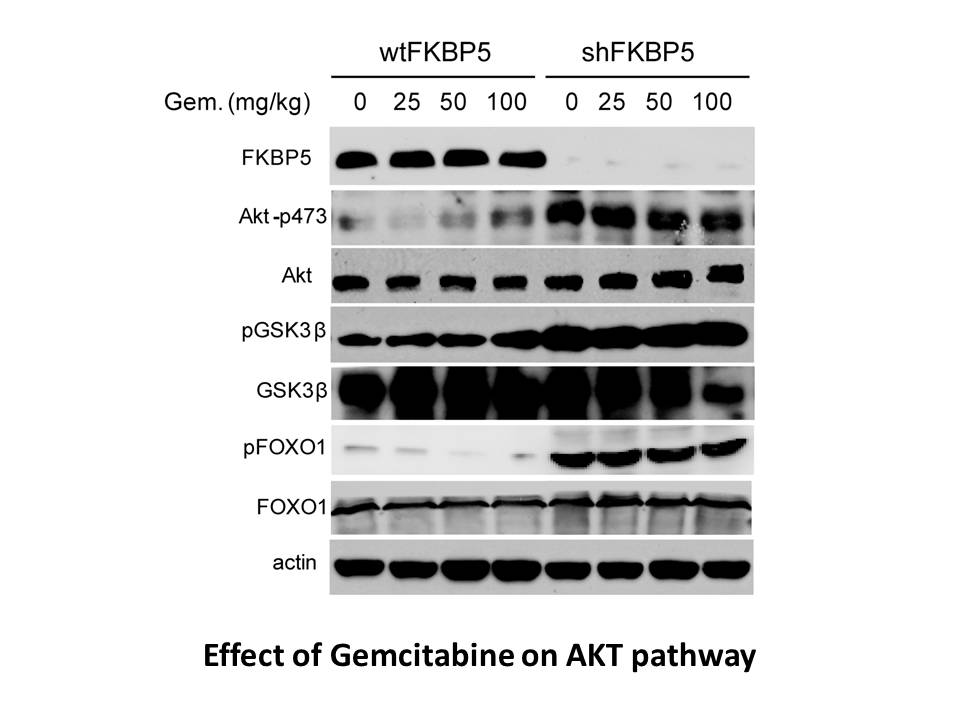
The synthesis of compounds 7a and 7b are outlined in Scheme 2. Compound 5 was obtained by di-tert-butyl pyrocarbonate protection of Veratridine 4a. Then, compounds 6a and 6b were obtained by amination of the fluoride with a morpholino and dimethylamine, respectively. Target compounds 7a and 7b were
-
Current therapeutic interventions are directed both
2019-09-05
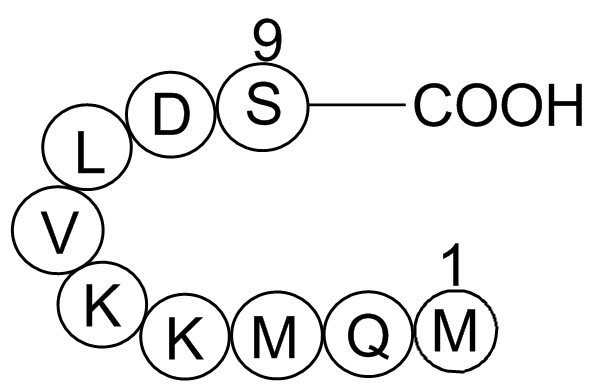
Current therapeutic interventions are directed both to prevent (primarily by proper glycemic control) and to treat the advanced stages of diabetic retinopathy, when vision has already been significantly affected. Although these therapies can be very effective in preventing, delaying or reducing visi
-
Several limitations of this study
2019-09-05
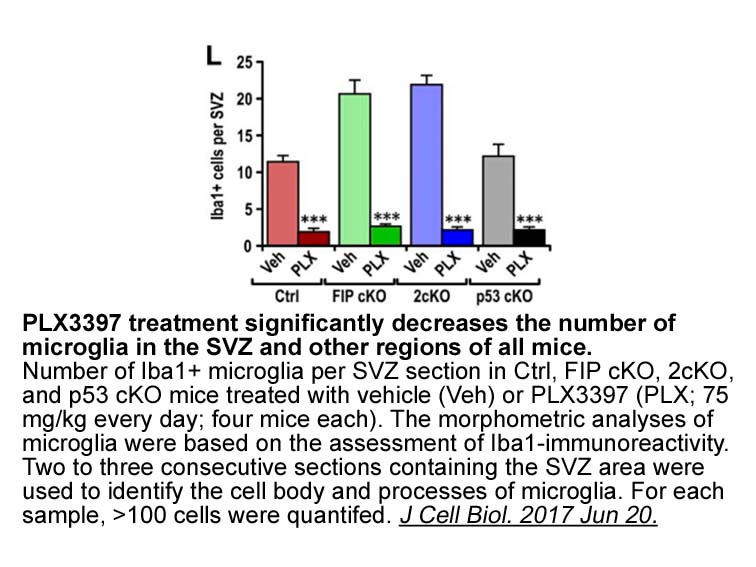
Several limitations of this study need to be acknowledged. First, although 200 patients were recruited into this study and completed assessments at baseline, only 89 patients completed the cognitive tests after 8weeks of treatment. The relatively long study period (8weeks) was the main reason for th
-
br Introduction Ewing s sarcoma ES is
2019-09-05
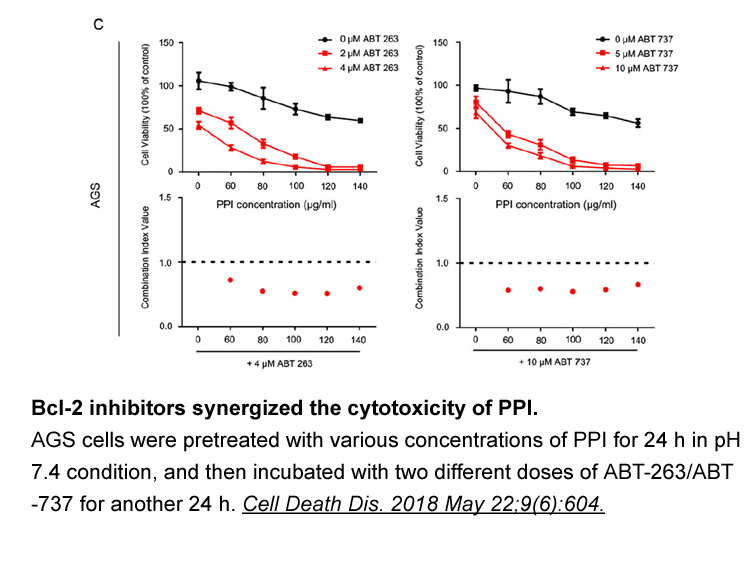
Introduction Ewing’s sarcoma (ES) is a mesenchymal tumor characterized by small, round, blue cells, and is poorly differentiated and highly malignant [1]. While ES typically arises in bone and soft tissue, rare primary extraosseous manifestations of ES have been reported throughout the body [2].
-
The present study also showed that EP deficiency and
2019-09-05
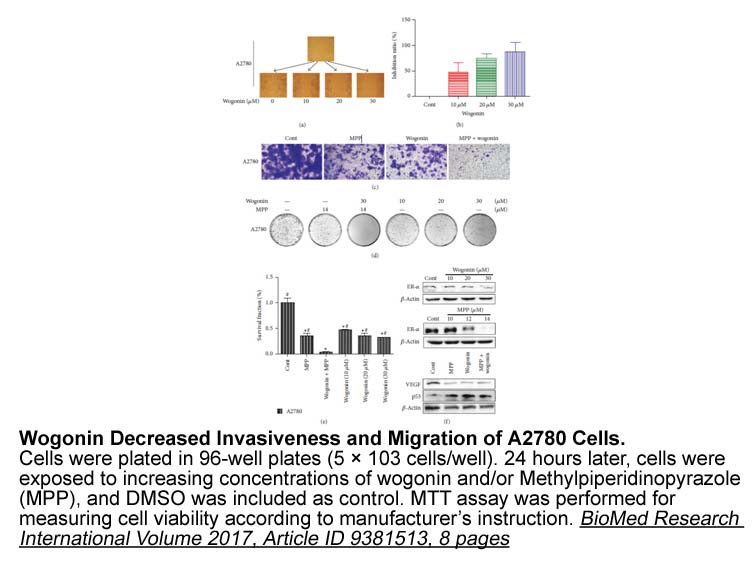
The present study also showed that EP2 deficiency and EP4 antagonism significantly suppressed psoriatic angiotensin ii receptor blockers in an imiquimod model. Notably, however, the combined EP2 deficiency and EP4 antagonism did not completely suppress ear swelling in this model, possibly because t
-
PGE EP activation has been found
2019-09-05
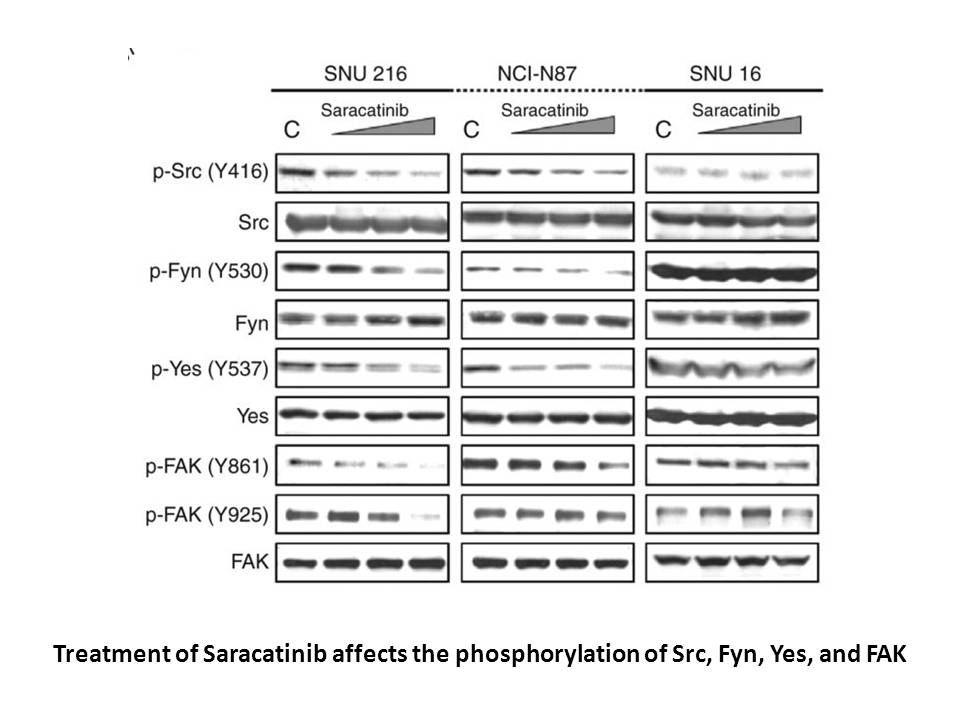
PGE2-EP4 activation has been found to attenuate the activation of microglia and to prevent lipid peroxidation and pro-inflammatory gene expression in a murine model of lipopolysaccharide (LPS)-induced ABT 702 dihydrochloride inflammation [15]. Moreover, PGE2/EP4 signaling has elicited a protective f
-
Because of the lack of sequence current
2019-09-05
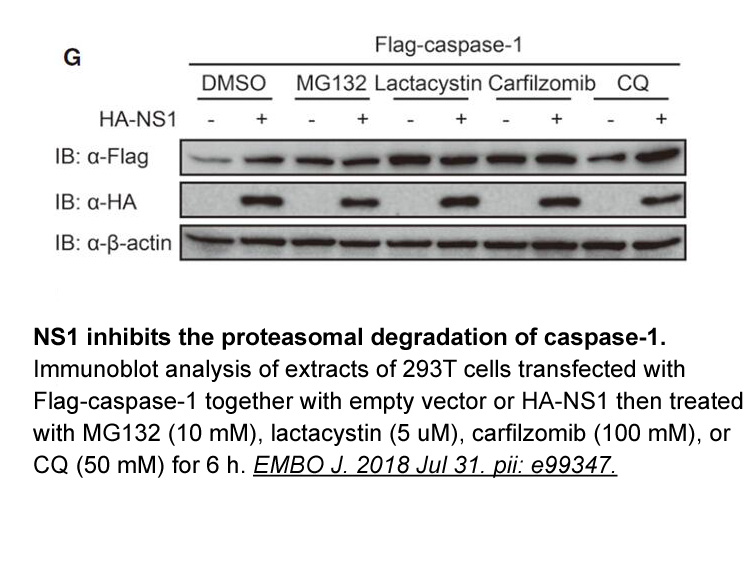
Because of the lack of sequence, current knowledge on the cellular regulation of CoA-IT is scarce. However, recent work has suggested an interesting new role for CoA-IT in regulating the extent of the AA mobilization response in primed macrophages. Bacterial lipopolysaccharide (LPS) is a poor trigge
-
Information on the mechanism by which parasite infections pr
2019-09-05
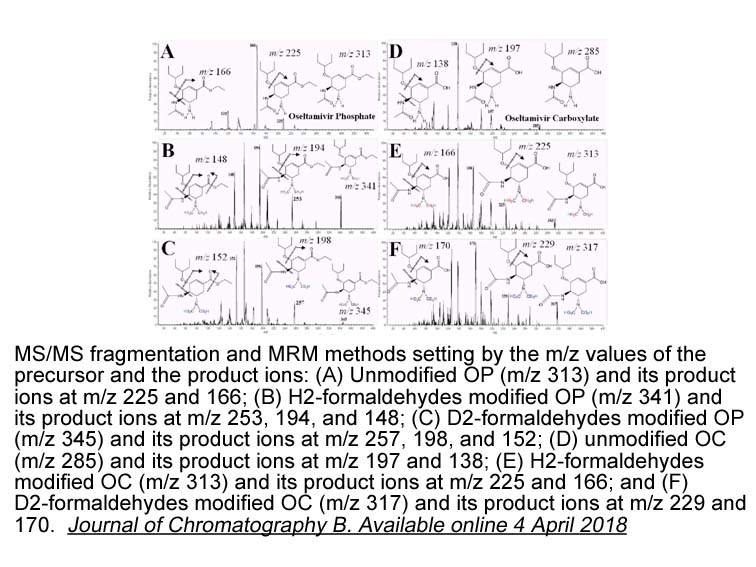
Information on the mechanism by which parasite infections promote ECM degradation is limited (McKerrow et al., 1983; Andrade, 1994; Lu and Lai, 2013; Thibeaux et al., 2014). The interaction of plasminogen-plasmin with proteins of microorganisms, including bacteria, has been suggested to play a key r
-
In conclusion our findings demonstrated that S PC
2019-09-05
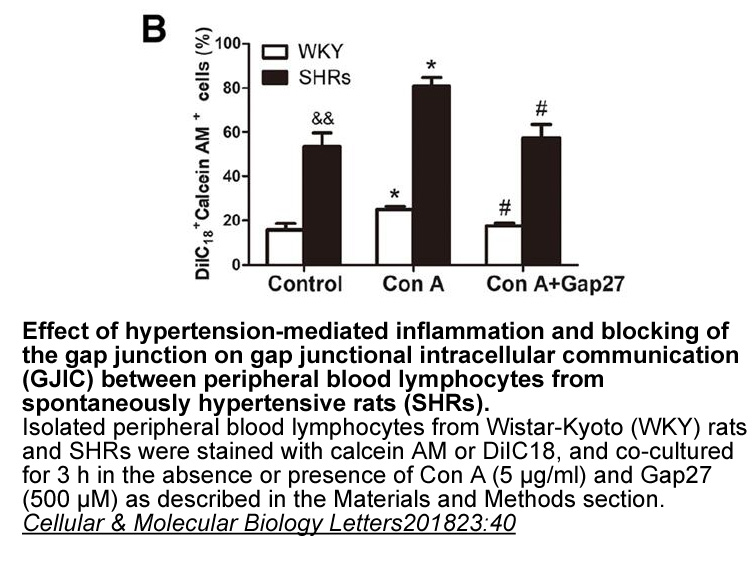
In conclusion, our findings demonstrated that S1PC augments HMOX1 expression in a NO-dependent manner, and its effects are associated with the enhancement of BACH1 degradation. In addition, S1PC and NO potentially degrade BACH1 based on the observation that nuclear degradation of BACH1 differs from
15366 records 1009/1025 page Previous Next First page 上5页 10061007100810091010 下5页 Last page