Archives
- 2026-06
- 2026-05
- 2026-04
- 2026-03
- 2026-02
- 2026-01
- 2025-12
- 2025-11
- 2025-10
- 2025-09
- 2025-03
- 2025-02
- 2025-01
- 2024-12
- 2024-11
- 2024-10
- 2024-09
- 2024-08
- 2024-07
- 2024-06
- 2024-05
- 2024-04
- 2024-03
- 2024-02
- 2024-01
- 2023-12
- 2023-11
- 2023-10
- 2023-09
- 2023-08
- 2023-07
- 2023-06
- 2023-05
- 2023-04
- 2023-03
- 2023-02
- 2023-01
- 2022-12
- 2022-11
- 2022-10
- 2022-09
- 2022-08
- 2022-07
- 2022-06
- 2022-05
- 2022-04
- 2022-03
- 2022-02
- 2022-01
- 2021-12
- 2021-11
- 2021-10
- 2021-09
- 2021-08
- 2021-07
- 2021-06
- 2021-05
- 2021-04
- 2021-03
- 2021-02
- 2021-01
- 2020-12
- 2020-11
- 2020-10
- 2020-09
- 2020-08
- 2020-07
- 2020-06
- 2020-05
- 2020-04
- 2020-03
- 2020-02
- 2020-01
- 2019-12
- 2019-11
- 2019-10
- 2019-09
- 2019-08
- 2019-07
- 2018-07
-
Compound was generated using a literature procedure and requ
2020-11-26
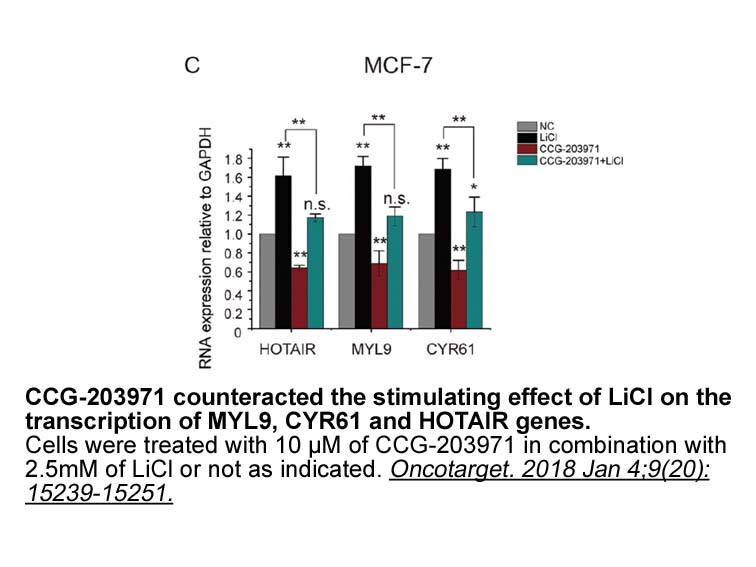
Compound was generated using a literature procedure and required two-step Dess–Martin-periodinane/Pinnick oxidation prior to the methylation of the sulfonamide. Compound () was obtained from the Suzuki coupling of the methyl ester intermediate (en route to 1115 ). Hydrolysis of all methyl ester inte
-
Finally unilateral microinjection of CP Astressin B
2020-11-26
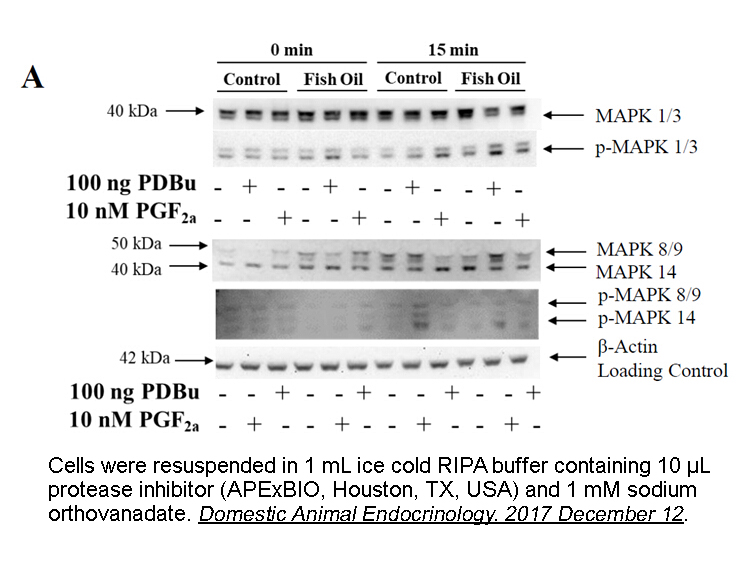
Finally, unilateral microinjection of CP-376395, Astressin 2B, CP-376395 + CRF or ASTR 2B + CRF into the BLA (Fig. 3A) or CeA (Fig. 3B) did not significantly alter spontaneous motor activity in the open field test (F4,24 = 0.148, P > 0.05; F4,29 = 0.290, P > 0.05 in the BLA and CeA, respectively, AN
-
It is well known that the tumor suppressor
2020-11-26
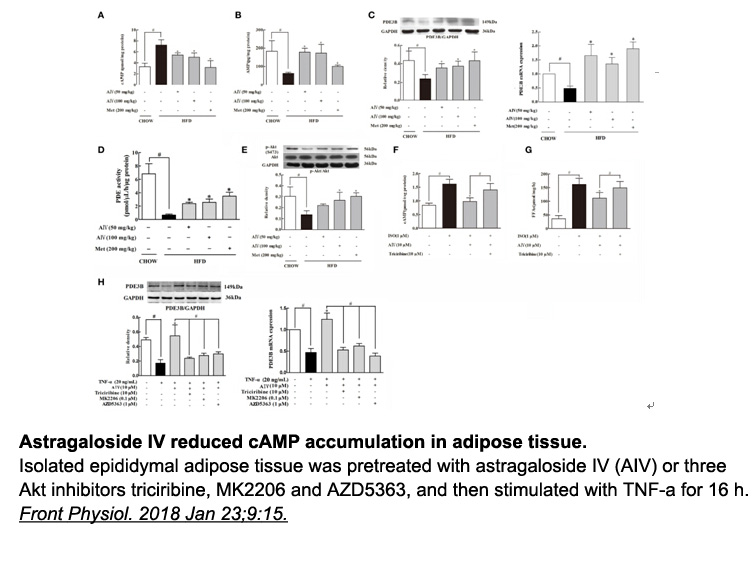
It is well known that the tumor suppressor p53 plays an important role in regulating the Annexin V-FITC Apoptosis Kit and cellular senescence [43,46,48]. For example, FOXO4 could interact with P53, which selectively induced apoptosis in senescent cells [48]. In addition, loss of MECP2 was found to
-
Kim et al reported for
2020-11-26

Kim et al. reported for bioactive compounds originating from the endemic species in Korea, the hexane and EtOAc fractions of the MeOH extracts from the roots of Dystaenia takeshimana (Nakai) Kitagawa (Umbelliferae) showed cyclooxygenase-2 (COX-2) and 5-lipoxygenase (5-LOX) dual inhibitory activity b
-
The cholinergic system has been shown to play a
2020-11-26
The cholinergic system has been shown to play a role in regulation of the inflammatory response [13] as well as in the influence of the metabolism of PCa cells [14]. The reduced activity of cholinesterase (ChoE) and the consequent increased amount of lrrk2 has been shown to lead to a cholinergic ov
-
Determination of relative potency EC by
2020-11-26
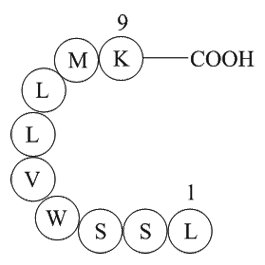
Determination of relative potency (EC50) by dose response assays in vitro is subject to the same sources of variability as determination of affinity, since the EC50 and Hill slope of the dose response curve are highly dependent on the binding of ligand to a competing receptor that may be present, an
-
The aim of the following work was to untap
2020-11-25
The aim of the following work was to untap the potential of DIS as a low-cost substrate for fungal production of lignocellulolytic enzymes via SSF. Fungal strains with the ability to transform the unpretreated DIS to a mixture of industrially relevant lignocellulases were identified. Furthermore, th
-
Our finding that activating DDR variants are a cause
2020-11-25
Our finding that activating DDR2 variants are a cause of this disease suggested that the ABL inhibitor dasatinib, a leukemia drug that also inhibits DDR2, could be used for treatment of affected individuals.10, 11 To examine the effect of dasatinib on p.Leu610Pro- and p.Tyr740Cys-induced autophospho
-
P005091 The Kaempferia parviflora extract met the criteria f
2020-11-25
The Kaempferia parviflora extract met the criteria for a non-competitive interaction with CYP1A1 based on the decrease of Vmax and unchanged Km. The high Ki value and low IC50, as well as the high Km value was indicative of the weakness of the interaction between the Kaempferia parviflora extract a
-
The concept of GPCRs and EGFRs existing
2020-11-25
The concept of GPCRs and EGFRs existing as heteromers is consistent with previous studies. Co-immunoprecipitation studies have shown that agonist stimulation (both AngII and EGF) promotes a multi-protein complex containing the AT1R and EGFR, however these endpoint assays were not in live cells or in
-
Itch also known as astrophin interacting
2020-11-25
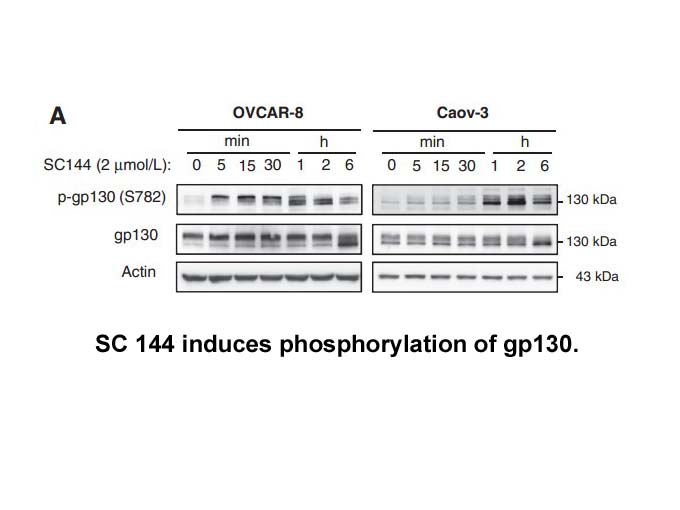
Itch, also known as astrophin-1 interacting protein-4 (AIP4), is a HECT domain-E3 ligase. It was discovered in 1998 in mouse coat color genetic studies which displayed the disruption caused by the Itch gene inducing a lethal autoimmune inflammatory condition. The substrates of Itch are transmembrane
-
The LNX ligand of numb protein
2020-11-25
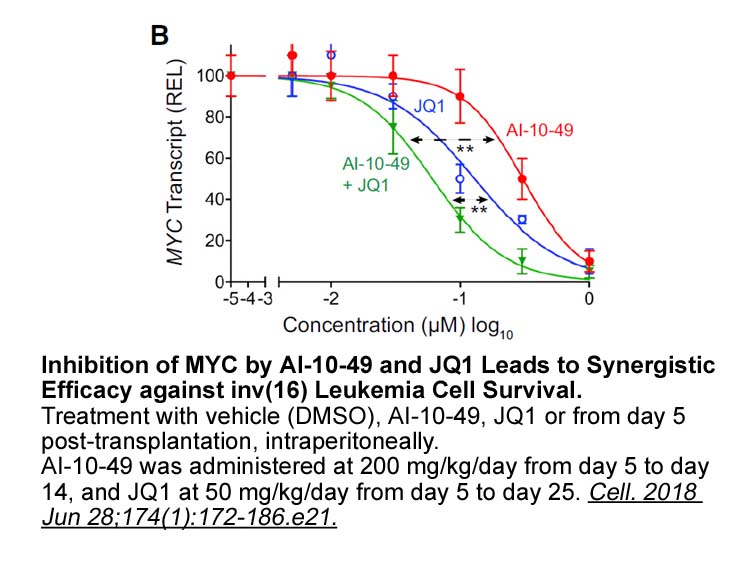
The LNX (ligand of numb protein-X) or PDZRN (PDZ and RING) family of proteins consists of five members (LNX1–LNX5), the first four of which act as E3‐ubiquitin ligases in various roles, as reviewed elsewhere [14]. LNX proteins comprise a RING domain and two to four PDZ (PSD-95, DlgA, ZO-1) domains [
-
The most significant source of DAG originates from the PLC
2020-11-25
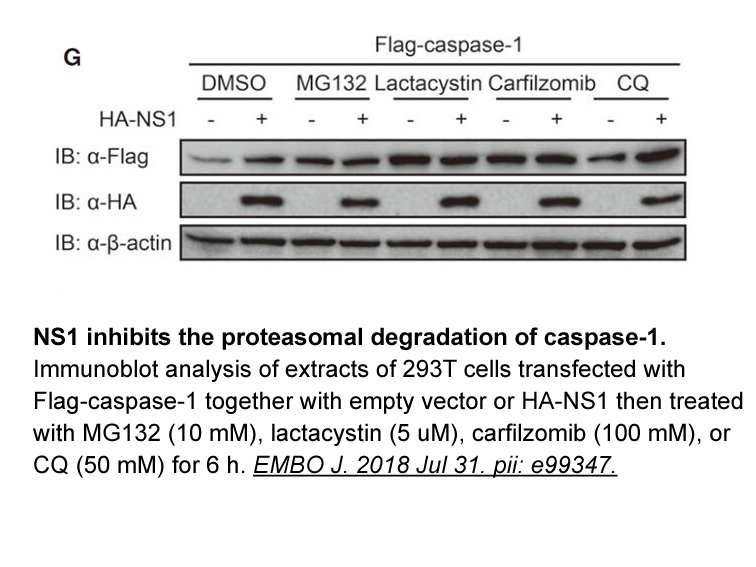
The most significant source of DAG originates from the PLC family of enzymes, which produces DAG in an agonist-regulated reaction. PLCs constitute a wide family of enzymes acting on both phosphatidilinositols (PI) and phosphatidilcoline (PC) (Li et al., 2010) in the plasma membrane and other intrace
-
p-Cresyl sulfate Diacylglycerol kinase was one of the hits i
2020-11-25
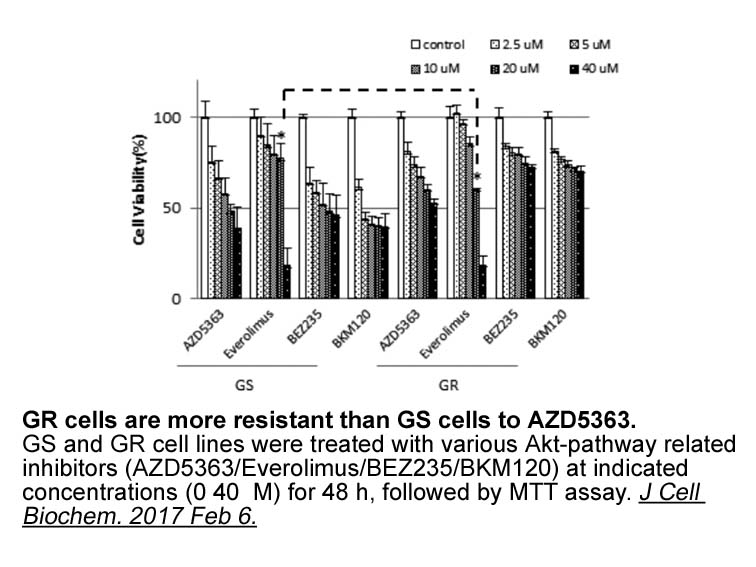
Diacylglycerol kinase was one of the hits identified from the RNAi screen. Diacylglycerol kinases are conserved across a p-Cresyl sulfate of species with more complex, multicellular organisms possessing several DGKs with differing protein domains, expression patterns and functions [61], [62], [63].
-
We recently reported that the
2020-11-25
We recently reported that the information about the electronic density obtained from a QTAIM analysis is useful to describe the molecular interactions that stabilize and destabilize the different complexes L-R [13], [14], [15]. Specifically in our previous work reported for DHFR inhibitors, the QTAI
15313 records 786/1021 page Previous Next First page 上5页 786787788789790 下5页 Last page